




обзор
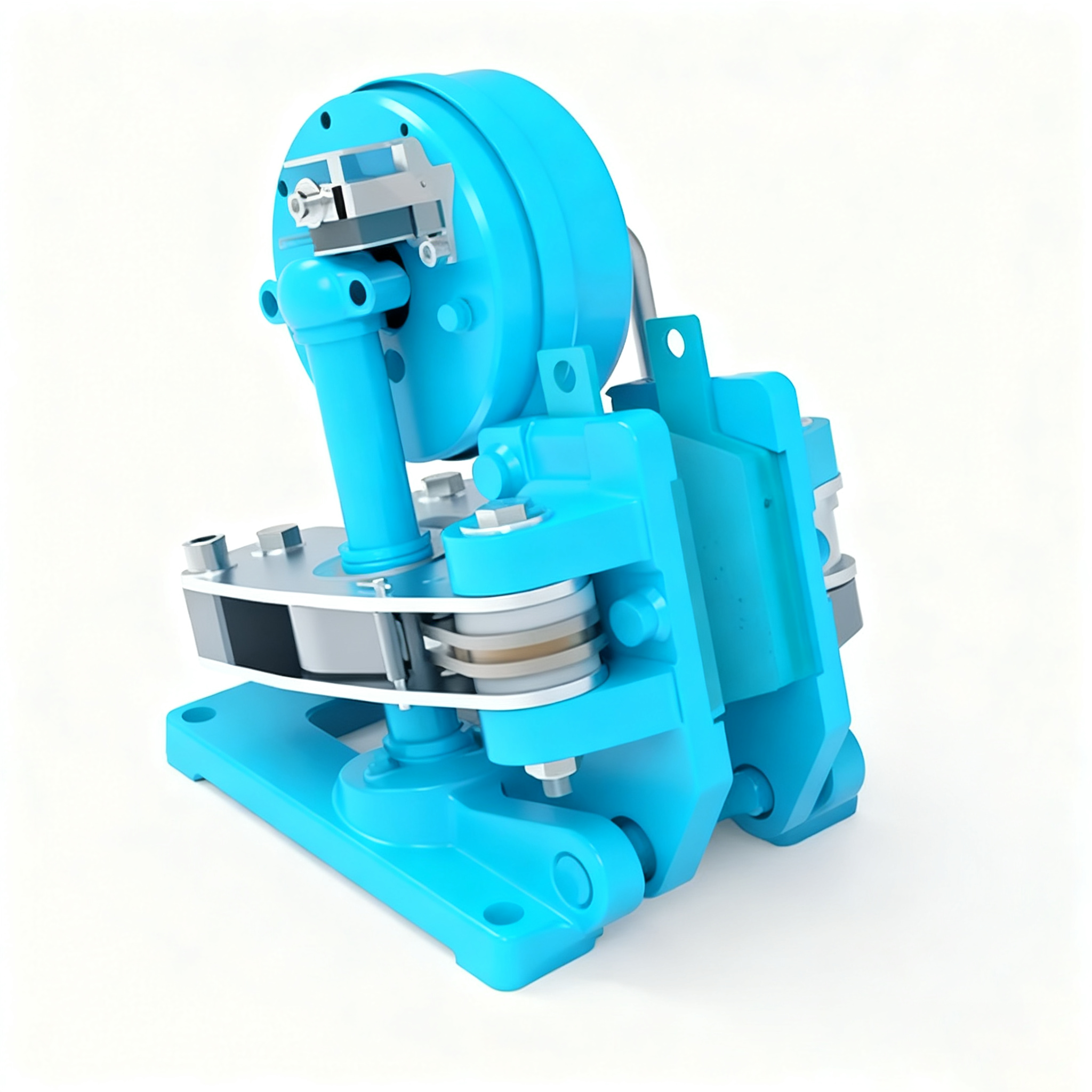
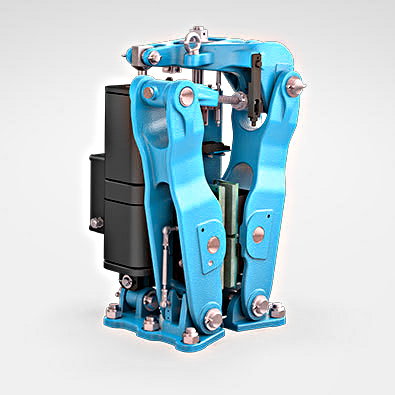
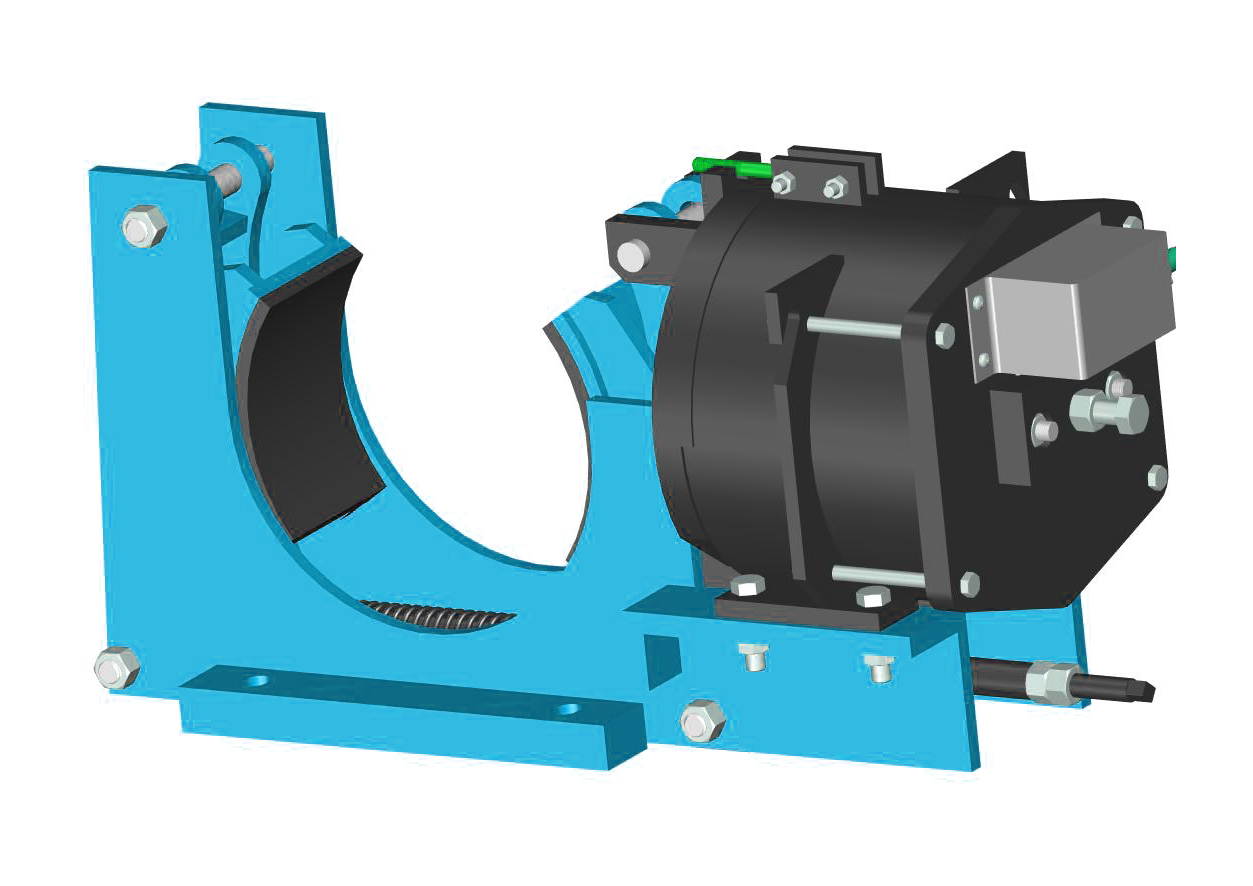
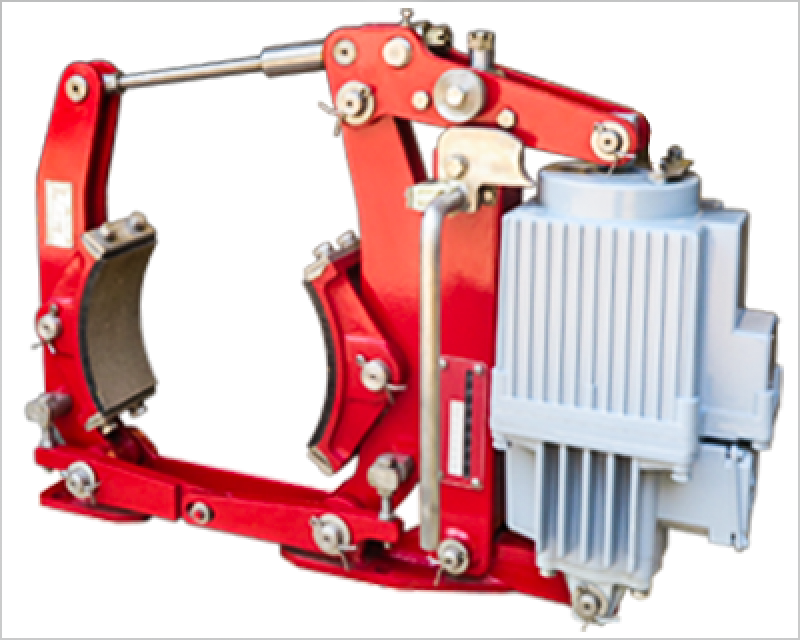
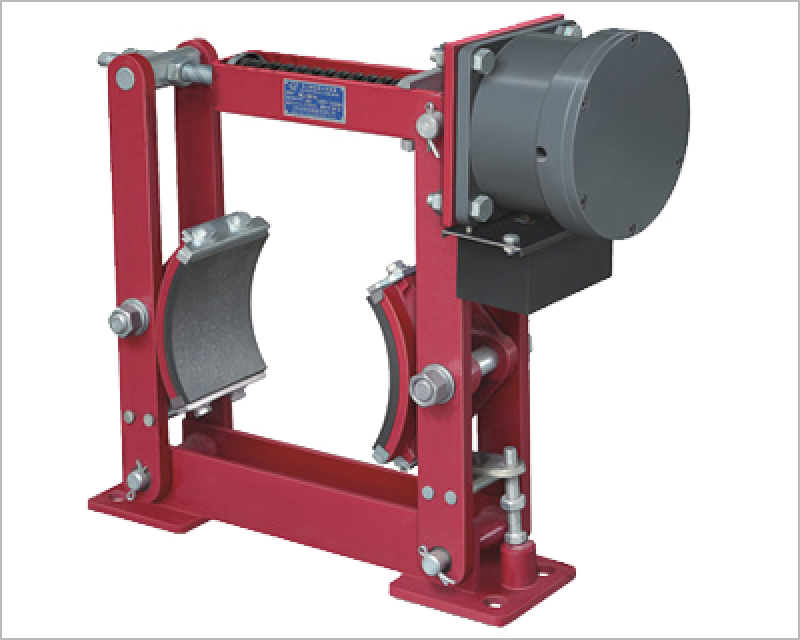
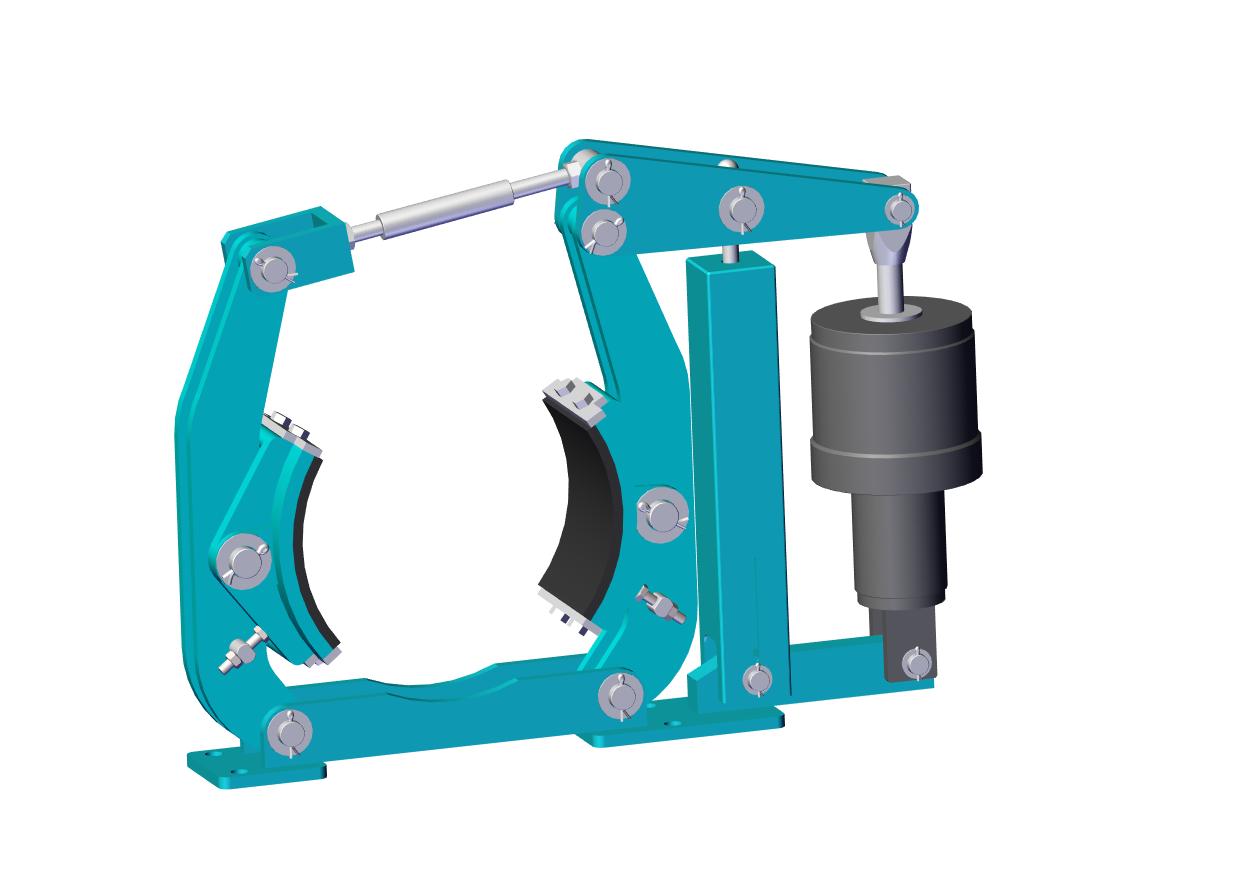
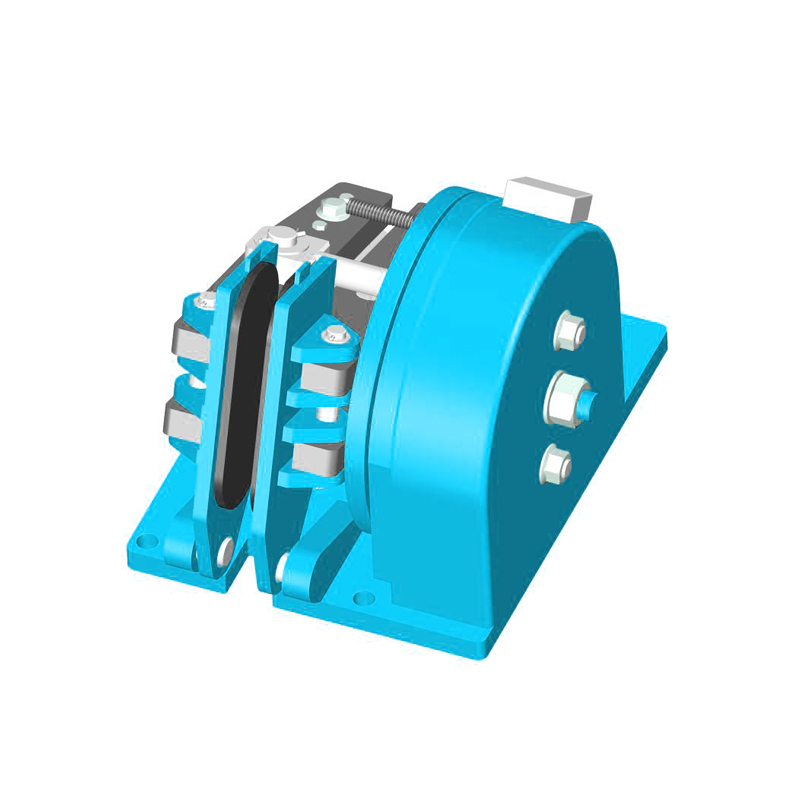
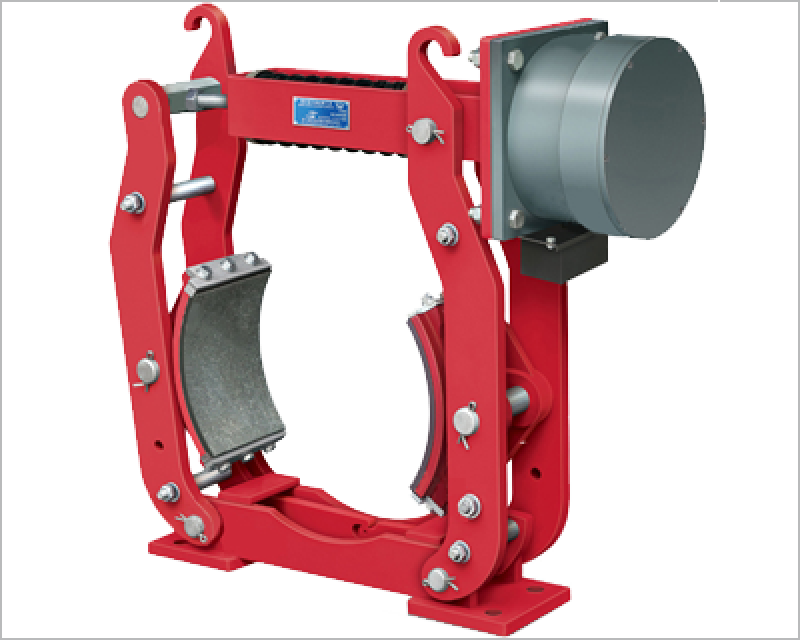
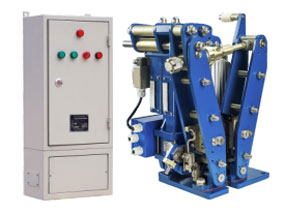
Многослойный электрогидравлический дисковый тормоз с рычагом YPE11 представляет собой тормоз нового типа, разработанный и сконструированный на основе дискового тормоза с рычагом YP. В качестве приводного устройства в нем используется электрогидравлический привод Ed.
Тормоз оснащен механизмом тормозных пружин первой и второй ступеней, который управляется электромагнитным контроллером для создания двухступенчатых тормозных усилий различной величины и их поэтапного приложения к тормозному диску, что обеспечивает наложение тормозных усилий (также известное как двухступенчатое торможение).
Пользователи могут отдельно регулировать величину тормозного момента двухступенчатой тормозной системы в соответствии со своими потребностями.
В ходе нормальной эксплуатации оборудования используется меньший тормозной момент первого уровня, чтобы предотвратить сильные удары при торможении и обеспечить плавное, без вибраций замедление и остановку; При возникновении внезапных порывов ветра или когда оборудование прекращает работу и его необходимо поставить на стоянку, к исходному небольшому тормозному моменту добавляется дополнительный тормозной момент, образуя совместно действующий на тормозной диск более значительный тормозной момент, что обеспечивает ветрозащитное или стояночное торможение.
Требование к условиям эксплуатации, заключающееся в том, что “для торможения с целью замедления во время работы оборудования требуется небольшой тормозной момент, а для стояночного торможения или торможения с целью защиты от ветра — большой тормозной момент”, было выполнено с помощью одного тормоза.
основные характеристики
- Основные точки поворота рамы тормоза оснащены самосмазывающимися втулками вала из материала DU, которые отличаются высокой эффективностью передачи усилия, плавной и надёжной работой, длительным сроком службы и не требуют смазки в процессе эксплуатации;
- Тормозные колодки имеют конструкцию с штифтовым соединением и болтовым креплением, что обеспечивает простую и быструю установку и замену. В качестве фрикционного материала используется безасбестовый смешанный волокнистый материал (NAO), отличающийся стабильным коэффициентом трения и хорошей экологической совместимостью;
- 1. Два уровня тормозного момента можно регулировать отдельно, а тормозные пружины обоих уровней размещены в соответствующих квадратных трубах. Наружные стенки с обеих сторон снабжены собственными шкалами торсионного момента, что облегчает его регулировку и считывание; торсионный момент первого уровня можно точно регулировать в диапазоне от 20 Н·м до номинального значения.
- В приводе используется электрогидравлический привод Ed с полностью герметичной конструкцией с одним толкателем, корпусом из литого под высоким давлением алюминиевого сплава, двигателем без масляного охлаждения и изоляцией класса F; степень защиты IP54; уплотнения и подшипники изготовлены известными мировыми брендами и отличаются превосходными эксплуатационными характеристиками и длительным сроком службы;
- Все ненесущие болтовые соединения изготовлены из нержавеющей стали, а валы штифтов имеют твердое хромированное покрытие или изготовлены из нержавеющей стали, что обеспечивает хорошую коррозионную стойкость;
- Тормозная колодка оснащена устройством выравнивания зазора с блокировкой, которое обеспечивает одинаковый зазор тормозных колодок с обеих сторон; тормозная колодка оснащена устройством автоматического позиционирования колодки, которое позволяет полностью исключить явление «плавания» тормозных колодок на тормозном диске;
- Тормоз оснащен устройством автоматической компенсации зазора, которое поддерживает постоянный зазор тормозных колодок и постоянный тормозной момент в процессе эксплуатации, что исключает необходимость в частых регулировках.
- Тормоз в стандартной комплектации оснащен устройством ручного разжатия, с помощью которого можно вручную разжать (отпустить) тормоз.
- Тормоз в стандартной комплектации оснащен датчиком определения положения «открыто», что облегчает автоматическое управление в режиме реального времени. Кроме того, он также оснащен дополнительной функцией датчика определения предельного износа тормозных колодок, которую пользователи могут выбрать в зависимости от условий эксплуатации.
- Используя электромагнитный контроллер малой мощности для управления тормозным моментом второго уровня, можно обеспечить одноступенчатое торможение с замедлением, а также двухступенчатое комбинированное безопасное торможение с защитой от ветра в зависимости от условий эксплуатации. Время задержки второго этапа торможения можно настроить в соответствии с условиями эксплуатации; при этом обеспечивается широкий диапазон регулировки (0,05 с–100 ч) и хорошая синхронизация при одновременном управлении несколькими агрегатами.
Дисковый тормоз с электрическим гидравлическим рычагом серии YPE11
Многослойный электрогидравлический дисковый тормоз с рычагом YPE11 представляет собой тормоз нового типа, разработанный и сконструированный на основе дискового тормоза с рычагом YP. В качестве приводного устройства в нем используется электрогидравлический привод Ed.
Тормоз оснащен механизмом тормозных пружин первой и второй ступеней, который управляется электромагнитным контроллером для создания двухступенчатых тормозных усилий различной величины и их поэтапного приложения к тормозному диску, что обеспечивает наложение тормозных усилий (также известное как двухступенчатое торможение).
Пользователи могут отдельно регулировать величину тормозного момента двухступенчатой тормозной системы в соответствии со своими потребностями.
В ходе нормальной эксплуатации оборудования используется меньший тормозной момент первого уровня, чтобы предотвратить сильные удары при торможении и обеспечить плавное, без вибраций замедление и остановку; При возникновении внезапных порывов ветра или когда оборудование прекращает работу и его необходимо поставить на стоянку, к исходному небольшому тормозному моменту добавляется дополнительный тормозной момент, образуя совместно действующий на тормозной диск более значительный тормозной момент, что обеспечивает ветрозащитное или стояночное торможение.
Требование к условиям эксплуатации, заключающееся в том, что “для торможения с целью замедления во время работы оборудования требуется небольшой тормозной момент, а для стояночного торможения или торможения с целью защиты от ветра — большой тормозной момент”, было выполнено с помощью одного тормоза.
Запрос сейчас
Напишите нам : Jason@lemo.tech